By Brett Glatman
The sports media landscape has been completely transformed.
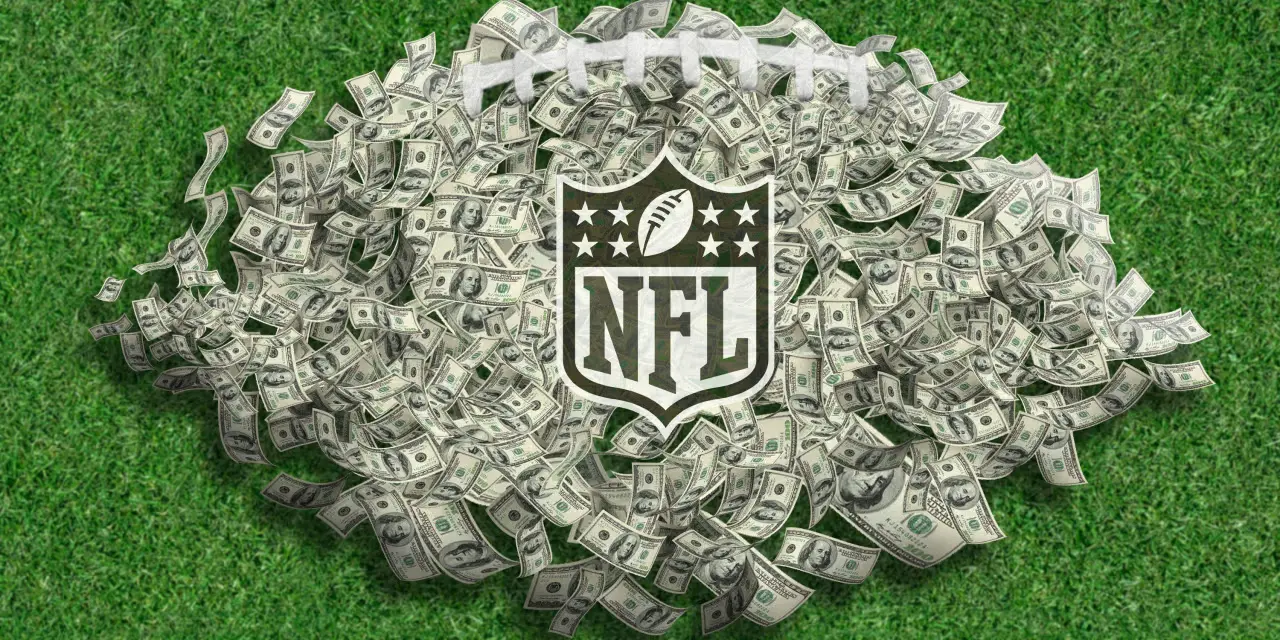
U.S. sports media rights spending has reached nearly $30 billion annually. Traditional broadcasters and streaming services are locked in unprecedented bidding wars. The stakes have never been higher.
Sports now dominates television in a way never seen before. In 2024, sports accounted for 86 of the top 100 TV programs. Only 14 non-sports programs made the list. Presidential debates, award shows, and a single scripted show filled those remaining spots.
The money flowing into sports is staggering. And it’s only growing.
The Numbers Behind the Sports Explosion
According to S&P Global research, sports media rights in the U.S. are approaching $30 billion in 2024. Projections show continued growth toward $37 billion by 2030.
This represents a remarkable 153% increase from 2015 levels. Back then, sports rights spending stood at just under $15 billion.
Analysis from TheWrap reveals that sports now accounts for roughly 23% of the media industry’s total content spending. That’s a dramatic shift from just a few years ago. Scripted entertainment used to dominate budgets.
Now? Scripted content spending has declined from its 2023 peak. It dropped from 46% to 37% of titles ordered by major streamers.
The reason for this shift is clear. Sports delivers what no other content can.
“If we think about the major sports, the value is only going in one direction which is exponentially higher.” — Sean Cunningham, President and CEO, Video Advertising Bureau
Why Tech Giants Are Paying Billions for Sports Rights
The competitive landscape has fundamentally changed. Tech companies with deep pockets have entered the arena.
Amazon, Apple, Google (YouTube), and other tech giants are now major players. They’re fundamentally altering the economics of rights deals.
The numbers are astronomical:
- NBC pays $2.45 billion annually for NBA rights
- Amazon shells out approximately $1 billion per year for NFL rights
- YouTube committed roughly $2 billion annually for NFL content
- Apple has committed $150 million annually for Formula 1 streaming rights
According to CNBC, these aren’t just vanity purchases. Research shows that streaming subscribers acquired through sports content tend to stay. They also consume other programming.
For Peacock, data revealed something crucial. Viewers who signed up for NFL Wild Card games didn’t just watch football. They also engaged with non-sports content. This makes sports investment a gateway to broader platform engagement.
Similar to how athletes are building business empires off the field, media companies see sports as their path to diversification and growth.
The Advertising Premium That Makes Sports Invaluable
The advertising economics explain why networks pay seemingly astronomical sums.
CNBC’s analysis shows commercials during live sports generated 24% more engagement than other programming. This makes sports inventory significantly more valuable to advertisers.
The premium is reflected in ad prices:
- Fox sold out Super Bowl LIX advertisements at $7 million per 30-second spot
- Disney sold out Christmas Day NBA game inventory two weeks ahead of the event
The appeal extends beyond just viewership numbers. Sports offers something increasingly rare in modern media: communal, real-time viewing experiences.
As election statistician Nate Silver noted, “Outside of sports and perhaps Taylor Swift, there’s really no mass culture anymore.”
This cultural phenomenon mirrors how athletes leverage their platforms for entertainment ventures. The real-time engagement creates unique value.
Streaming Services Make Sports Their Retention Weapon
For streaming services fighting subscriber churn, sports has emerged as the ultimate retention mechanism.
Lauren Anderson, director of the University of Oregon’s Warsaw Sports Business Center, explained the appeal: “It’s the last bastion of must-see TV when it’s happening. You don’t miss the cultural moment if you don’t consume it right then.”
This time-sensitive nature makes sports uniquely valuable. While viewers can watch prestige dramas whenever convenient, missing a live game means missing out. Social conversation happens in real-time.
Recent major deals illustrate how deeply sports has become intertwined with media strategy:
- Disney gave the NFL a 10% stake in ESPN in exchange for expanded game access
- Paramount signed a seven-year, $7.7 billion contract with UFC
- Fox Corp. took a one-third stake in Penske Entertainment for $125 million
These aren’t simple content licensing deals. They’re strategic partnerships that reshape entire companies.
The CW’s Transformation: How Sports Saved a Network
Perhaps no network better illustrates sports’ transformative power than The CW.
When Nexstar acquired controlling interest in 2022, critics predicted disaster. The network cut its young-adult programming. Fans and media outlets expressed outrage.
The result? The network is on track to become profitable in 2026. This would be a first in its history. The reason? Sports.
As Mike Perman, The CW’s senior vice president of sports, explained: “The only thing right now that’s keeping certain bundles together is live sports.”
The network now dedicates roughly 40% of its 1,100 programming hours to sports. The results are impressive:
- NASCAR Xfinity averages 1.1 million viewers (up 17% year-over-year)
- WWE NXT is experiencing its best ratings run in five years
- The CW’s NASCAR Xfinity has even beaten Fox’s IndyCar on occasion
This turnaround story shows what’s possible when networks embrace sports strategically.
The Hidden Truth: Many Networks Are Losing Money
Despite massive spending, industry insiders acknowledge a difficult truth. Many networks are likely losing money on their sports rights deals in the short term.
As one network source told TheWrap, media companies securing NBA rights in the league’s $76 billion, 11-year agreement are “almost sure to lose money on their deals.”
Bob Lynch, founder and CEO of SponsorUnited, explained the rationale: “In some cases, networks may already be overpaying for sports rights. But it’s a loss leader that they need to buy. It pulls audiences into their specific platforms.”
This willingness to absorb losses reflects a stark reality. Without sports, traditional broadcasters struggle to justify their existence. In an on-demand entertainment landscape, live sports remains essential.
As CNBC’s Mike Ozanian noted, sports remains “the best game in town.” It’s the content that drives live viewership and advertising revenue.
Sports Teams Are Now Worth Billions More
The explosion in media rights values has had dramatic effects. Sports franchise valuations have soared.
Recent NBA team sales illustrate this clearly:
- Los Angeles Lakers sold for $10 billion
- Boston Celtics sold for $6.1 billion
- Compare this to the Clippers’ 2014 sale at $2 billion
These valuations reflect confidence in continued media rights growth. As Ozanian told TheWrap: “The sale prices tell you what the smart people think about which way local media is going to go.”
The Growing Problem for Fans: Too Many Services
While networks and leagues celebrate record-breaking deals, fans face increasing challenges. Accessing games has become frustratingly complex.
Journalist Joon Lee wrote in a New York Times op-ed: “Games jump from one service to another with so little notice or apparent logic. Even some of the biggest superfans struggle to track what’s available where.”
Consider WWE fans as an example:
- RAW requires Netflix
- Smackdown needs USA Network (cable subscription)
- NXT airs on The CW (broadcast)
- Premium live events recently moved from Peacock to ESPN+
This fragmentation tests even the most dedicated fans’ loyalty.
Lauren Anderson of the University of Oregon raised concerns about long-term sustainability: “I wonder if anybody’s really thinking long term about the value of the fan. It’s so incredibly hard to figure out, unless you have every streaming platform that exists.”
Five Trends That Will Shape Sports Media’s Future
Several trends will shape the next phase of sports media rights:
1. Continued Growth Despite Economic Concerns
While some analysts worry about a potential bubble, projections show sports rights spending continuing to climb. The fundamental economics remain unchanged. Sports is still the only must-watch live content.
2. Increased Streaming Integration
Every major sports rights deal now includes streaming components. Traditional broadcasters increasingly rely on streaming platforms. Peacock, Paramount+, and ESPN+ help justify rights costs. They also reach cord-cutting audiences.
3. Tech Companies as Permanent Players
Amazon, Apple, and Google have proven their commitment. Their involvement isn’t a temporary experiment. Deep pockets and strategic interest in subscriber acquisition make them permanent fixtures in rights negotiations.
4. Potential Consolidation
Smaller leagues and properties seek sports media paydays. Expect consolidation around a few major platforms. Only these platforms can afford escalating costs while providing comprehensive sports offerings.
5. Fan-Centric Solutions
The current fragmentation can’t continue indefinitely. Expect pressure for bundled offerings. Simplified access models that don’t require subscriptions to eight different services will emerge.
The Reality: Sports Is Now Media Infrastructure
The $30 billion question facing media companies isn’t whether sports rights are expensive. It’s whether they can afford not to have them.
As Mark Marshall, chairman of NBCUniversal global advertising and partnerships, said at the network’s upfront: “God knows, you’ll hear the word ‘sports’ 10,000 times this week.”
In an era of fragmented audiences, collapsing cable bundles, and subscription fatigue, live sports represents something rare. It’s one of the few remaining ways to reach massive audiences in real-time.
Networks aren’t just buying games. They’re buying relevance. They’re buying advertising inventory. They’re buying a reason for consumers to keep paying for their services.
Whether this represents sustainable economics or an unsustainable bubble remains to be seen. But for now, sports rights continue their march toward $40 billion annually. There are no signs of slowing.
For media companies, the message is clear. You’re either in the sports business, or you’re increasingly irrelevant.
And that’s why the bidding wars will continue. The rights fees will keep climbing. Sports will remain the most valuable content in entertainment.
Sources and Additional Reading
- S&P Global: Sports rights in the US approach $30 billion in 2024
- TheWrap: Sports Is the $29 Billion Juggernaut Driving Entertainment
- CNBC: Ad revenue should stabilize for media companies in 2025 — if they have sports
- CNBC: NBC NBA media rights key for Peacock streaming growth
For more coverage of how athletes are building empires off the field, visit Recess Sports Now’s Business section.